Complaints Procedure — Skip Hire Limehouse and Rubbish Services
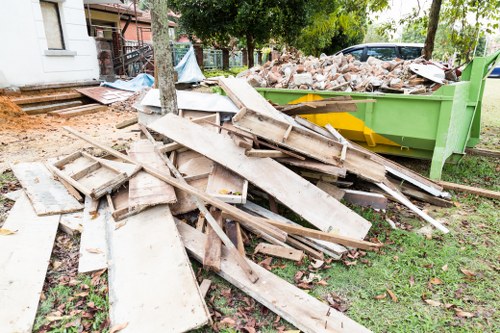 This Complaints Procedure sets out how complaints about Skip Hire Limehouse services and associated rubbish collection and waste removal are handled. It is designed to be clear, fair and proportionate. Our objective is to resolve issues quickly, to learn from mistakes and to maintain high standards of service for customers using skip hire in Limehouse and related waste collection services.
The scope of this procedure covers complaints about deliveries, collections, charges, damage, permitted waste types and customer service interactions. It applies to all users of Limehouse skip hire and any subcontracted rubbish removal service. Complaints may be raised by an authorised representative of the hirer. Anonymous complaints will also be considered where there is sufficient information.
 How to make a complaint: complaints should be made promptly and wherever possible within 28 days of the event. When raising a concern please include the approximate hire period, the location of the skip, a description of the issue and any relevant dates. We encourage full detail so the matter can be investigated effectively; however, incomplete reports will still be acknowledged and reviewed.
Acknowledgement and Initial Assessment
On receipt of a complaint about Limehouse skip hire or rubbish removal, the complaint will be logged and an acknowledgement will be issued within three working days. The acknowledgement will state who is handling the complaint and provide an expected timescale for a substantive response. We aim to be transparent about progress and any delays.
The investigation stage involves gathering relevant information including delivery records, crew notes, site photos and any correspondence. Investigators will act with impartiality and will seek to establish the facts before proposing outcomes. Where appropriate, a site visit or third-party review may be arranged to clarify circumstances.
 During the investigation we may identify corrective actions such as refunds, credits, reservice, or operational changes. Decisions will be based on the evidence collected and the terms of hire. If immediate health or safety concerns are identified these will be prioritised for urgent remedial action.
Resolution and Timescales
We endeavour to provide a full response within 15 working days of acknowledgement. If the investigation requires more time, we will write to explain the reason for delay and provide a revised date. Where a local authority or third party is involved in resolving the matter, we will coordinate with those parties but cannot disclose their private information.
Possible outcomes include: an upheld complaint with remedy, partially upheld with limited remedy, or not upheld. Remedies are proportional and may include a refund, credit note, replacement service or an agreed corrective measure. The outcome letter will set out the reasons for the decision and any action taken.
Our commitment is to learn from complaints and to implement improvements where patterns are identified. Records of complaints and outcomes are retained to inform training, process revision and supplier management for ongoing improvements to Limehouse skip hire operations.
 Escalation: if the complainant is not satisfied with the outcome they may request an internal review or escalation. An internal review will be performed by a senior team member not previously involved in the case. Reviews focus on the fairness and consistency of the original investigation and on whether the remedy offered was appropriate.
There are formal timescales for escalation: a request for internal review should be made within 14 days of receiving the outcome. The review panel will aim to conclude within 15 working days and will issue a final response which represents the company’s concluded position on the matter.
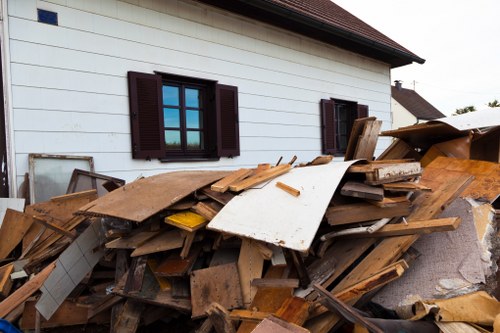 If the complainant remains dissatisfied after the internal review, our final response will signpost available independent regulators or dispute resolution bodies where applicable, and outline the complainant’s options. Note that not all disputes fall within the remit of independent bodies and some matters may be governed by contractual terms.
Data Handling and Confidentiality: information collected during complaint investigations is handled in accordance with data protection principles. Personal data is used only for the purposes of investigating and resolving the complaint and for improving services. Records are kept for a defined retention period and disposed of securely thereafter.
Reporting and accountability: senior management review complaint trends regularly and use anonymised summaries to improve operational performance. Key performance indicators include acknowledgement times, resolution times and recurrence rates. This helps ensure that issues with waste collection Limehouse services and related processes are addressed systematically.
Transparency and fairness are central to this procedure. Customers who engage with the complaints process can expect clear explanations of findings, proportional remedies where appropriate and a commitment to prevent recurrence. The process is intended to be accessible, impartial and focused on practical resolution.
Accessibility: reasonable adjustments will be made to help those who need assistance in making a complaint. Alternative formats can be provided on request and support will be offered to ensure complainants understand the process. Equality of access is fundamental to our approach.
Record keeping: all complaints and associated actions are recorded and monitored. This ensures that lessons learned from each case are captured and that long-term improvements to skip hire services are evidenced. Accountability measures include periodic audits of complaint handling quality.
Final note: we take concerns about Limehouse skip hire, rubbish removal Limehouse and waste collection Limehouse seriously. This procedure is designed to ensure complaints are managed professionally and that appropriate remedies and improvements follow. Thank you for bringing issues to our attention; your reports help maintain service standards and protect the community and environment.